Massachusetts Notary Solutions for Middlesex & Greater Boston Areas

What Does a Notary Public Actually Do in Massachusetts?
Learn what a notary public actually does in Massachusetts, what notaries can and cannot do, common myths, legal rules, and when you should use a notary.
12/16/20252 min read
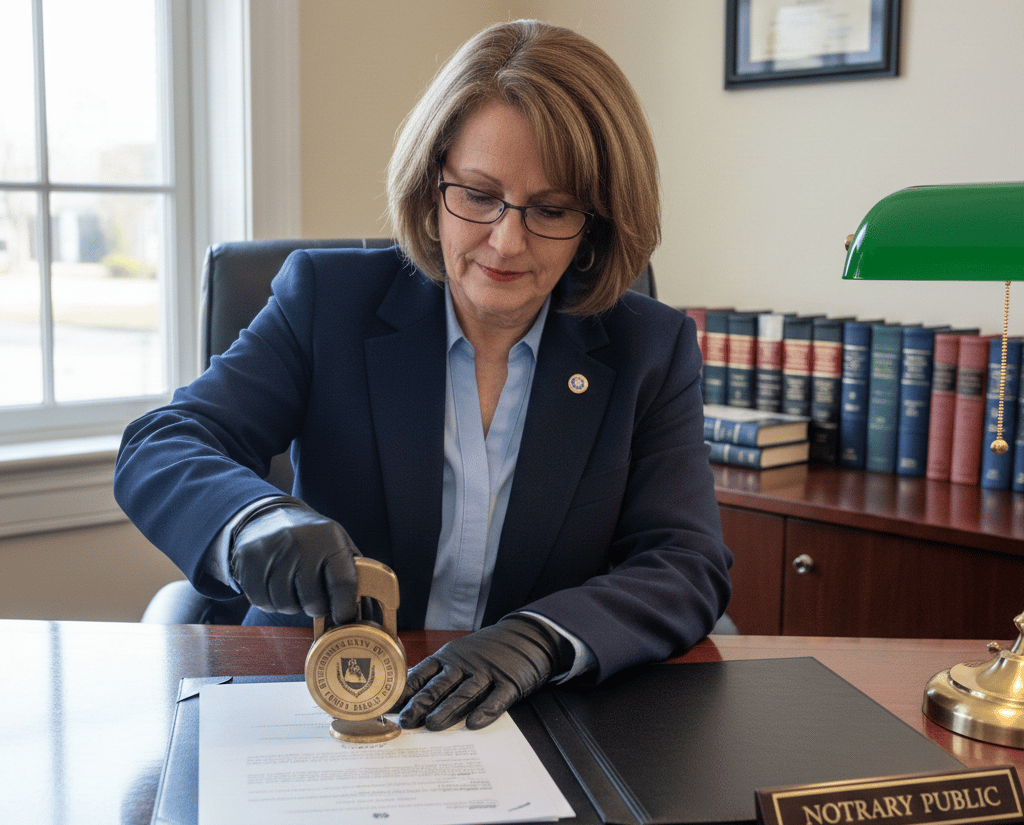
What Does a Notary Public Actually Do in Massachusetts?
A Notary Public in Massachusetts is an impartial public official whose primary role is to verify identities, witness signatures, and deter fraud in essential documents. A notary does not approve the content of a document or give legal advice. Their job is to confirm that the signer is who they claim to be, understands what they are signing, and signs willingly.
People ask this question because notaries are involved in many serious situations. Real estate closings, powers of attorney, affidavits, travel consent forms, court filings, and international documents all often require notarization. Many people assume that a notary has authority similar to that of a lawyer or a court officer, which is not true.
One common misconception is that a notary reviews or validates the document itself. In Massachusetts, a notary does not judge whether a document is fair, legal, or accurate. Another misconception is that a notary can prepare documents or tell you what to sign. Massachusetts law strictly prohibits notaries from giving legal advice unless they are also licensed attorneys. Many people also believe a stamp alone makes a document valid. Without proper identification, personal appearance, and a complete notarial act, the notarization is invalid.
Under Massachusetts law, a notary must verify the signer's identity using acceptable government-issued photo identification. The signer must appear in person or use an approved remote notarization method. The notary must confirm the signer is acting willingly and understands the document. The notary then completes a specific notarial act, usually an acknowledgment or a jurat, applies their stamp, and records the act in a notary journal if maintained. The notary must follow the exact statutory wording and procedures set by the Commonwealth.
In practice, a Massachusetts notary serves as a fraud-prevention checkpoint. Banks, courts, government agencies, and foreign authorities rely on notarization to trust that documents are legitimate and properly executed.
If you need a document notarized, the next step is to confirm the required type of notarization and to ensure you bring valid identification. If the document will be used outside the United States, you may also need an apostille after notarization. Using an experienced Massachusetts notary, especially a mobile or same-day notary, helps prevent costly mistakes and document rejections.
Disclaimer:
Middlesex Notary and its representatives are not attorneys and are not licensed to practice law in the Commonwealth of Massachusetts or any other jurisdiction. We do not provide legal advice, interpret documents, or assist in completing legal forms beyond the duties permitted by Massachusetts notary law. If you require legal guidance, document preparation, or advice regarding the content or effect of a document, please consult with a qualified attorney. All notarial acts performed by Middlesex Notary are limited to verifying the identity of signers, witnessing signatures, and completing authorized notarial certificates in accordance with Massachusetts General Laws, Chapter 222.
© 2026 Middlesex Notary. All rights reserved. Unauthorized use or reproduction of this content is strictly prohibited.
Document mailing address
335 Washington St #1127 Woburn, MA 01801 United States
Middlesex Notary Co provides trusted mobile notary services, apostille certification, printing and certified mailing, and faxing services across Middlesex County and Greater Boston. Whether you’re searching for a notary near me, need documents notarized fast, or want assistance with Massachusetts apostille processing, we deliver professional support right to your door.
Learn more about our services:
Mobile Notary | Apostille | Printing & Mailing | Faxing | Contact Us
Office location
500 W Cummings Park #4500, Woburn, MA 01801, United States