Massachusetts Notary Solutions for Middlesex & Greater Boston Areas

What Is a Mobile Notary Fee and How Much Does It Cost
Learn what a mobile notary fee is, how pricing works, what travel charges include, and why mobile notarization costs more than bank notaries. Simple explanation for first time clients.
12/6/20252 min read
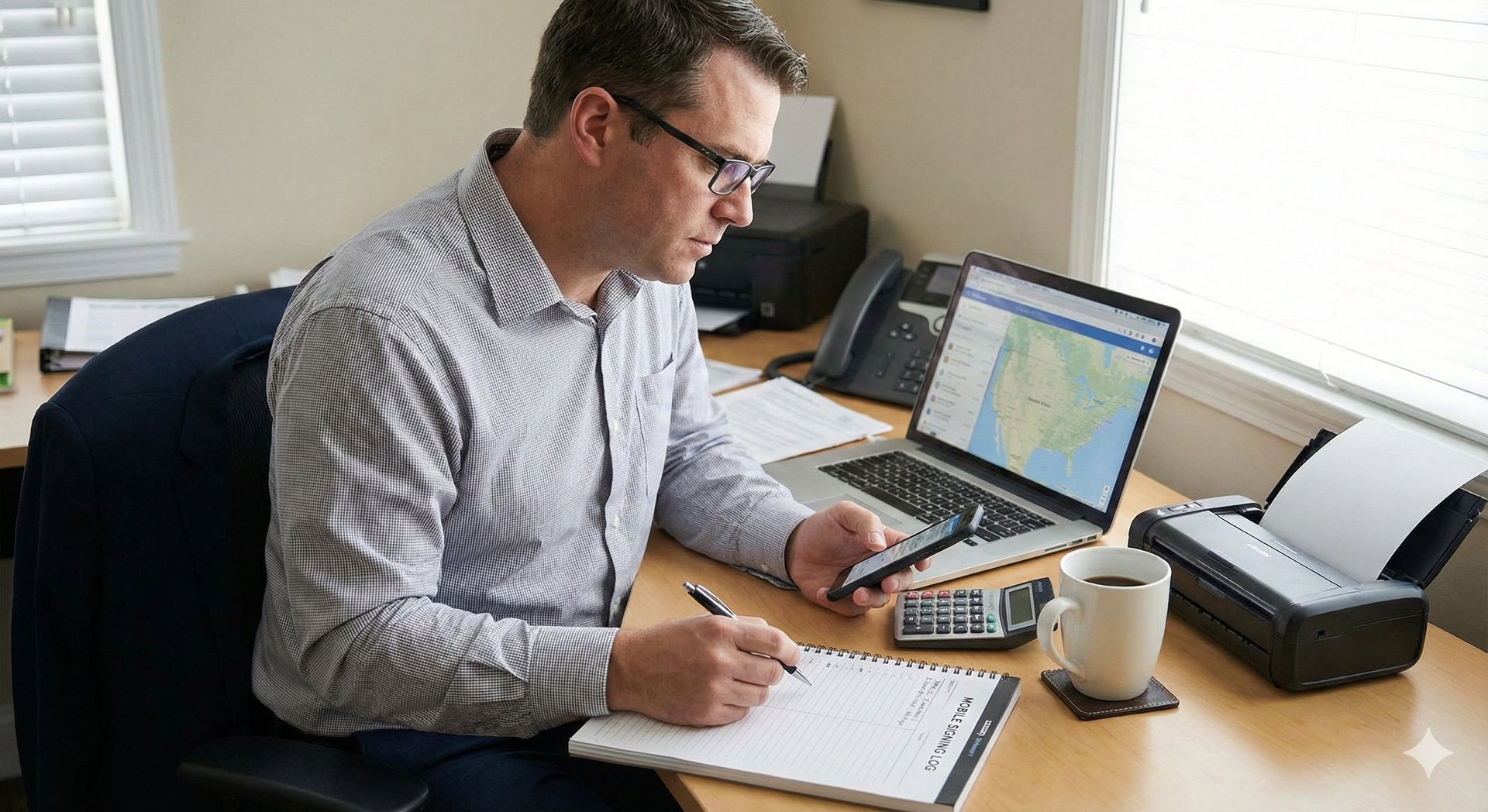
What Is a Mobile Notary Fee
A mobile notary fee is the cost charged by a notary public for traveling to your location to witness signatures, verify identity, and complete a legal notarization. Unlike a bank notary, a mobile notary does not work at a desk or offer walk-in service. Instead, the notary travels by appointment to homes, offices, hospitals, rehab centers, nursing homes, hotels, job sites, and correctional facilities.
Mobile notary fees are based on both the notarization and the convenience of having the notary come to you. If you want to learn what mobile notary services include, visit What Are Mobile Notary Services here:
Learn more: middlesexnotary.com/what-is-mobile-notary-services
Why Is There a Fee for Mobile Notary Travel
Banks sometimes notarize for free because they already charge for business accounts. A mobile notary is a separate professional service that travels to you and must pay expenses such as:
Travel time
Fuel and parking
Tolls
Printing if needed
Waiting time in hospitals or jails
After hours or emergency appointments
Business insurance and licensing
The mobile notary fee is not just for a stamp. The fee covers the time, travel, and service to complete the notarization at your location.
How Much Does a Mobile Notary Cost
Each state sets the maximum fee for the notarial act itself. A mobile notary can charge additional fees for travel. Depending on location, pricing may include:
A travel fee for the appointment
A charge per notarized signature
Additional cost for after-hours or same-day service
Parking, tolls, or waiting time if required
Specific locations take longer due to check-in processes or identification rules. Hospitals, correctional facilities, and assisted living centers can involve delays that affect pricing.
Examples of When Mobile Notary Fees Apply
Mobile notary fees are used when someone requests notarization outside an office. Common situations include:
A Power of Attorney signing at a nursing home
Hospital signing for medical consent or healthcare proxy
Real estate loan documents at a client’s home
Travel consent forms signed at work
Jail or detention center signings for legal paperwork
Business contracts notarized during meetings
These appointments require travel, preparation, time, and legal responsibility on the part of the notary.
How to Determine a Fair Mobile Notary Fee
A fair mobile notary fee reflects the location, distance, document type, urgency, and any site restrictions. Most mobile notaries provide a quote before scheduling, which includes:
Travel cost
Notarization charges
Any other required services
Clients should request pricing upfront to understand the full cost of their appointment. If you want help finding a traveling notary, visit Mobile Notary Near Me:
Learn more: middlesexnotary.com/mobile-notary-near-me
Disclaimer:
Middlesex Notary and its representatives are not attorneys and are not licensed to practice law in the Commonwealth of Massachusetts or any other jurisdiction. We do not provide legal advice, interpret documents, or assist in completing legal forms beyond the duties permitted by Massachusetts notary law. If you require legal guidance, document preparation, or advice regarding the content or effect of a document, please consult with a qualified attorney. All notarial acts performed by Middlesex Notary are limited to verifying the identity of signers, witnessing signatures, and completing authorized notarial certificates in accordance with Massachusetts General Laws, Chapter 222.
© 2026 Middlesex Notary. All rights reserved. Unauthorized use or reproduction of this content is strictly prohibited.
Document mailing address
335 Washington St #1127 Woburn, MA 01801 United States
Middlesex Notary Co provides trusted mobile notary services, apostille certification, printing and certified mailing, and faxing services across Middlesex County and Greater Boston. Whether you’re searching for a notary near me, need documents notarized fast, or want assistance with Massachusetts apostille processing, we deliver professional support right to your door.
Learn more about our services:
Mobile Notary | Apostille | Printing & Mailing | Faxing | Contact Us
Office location
500 W Cummings Park #4500, Woburn, MA 01801, United States